Historical Context
During the height of Spanish colonial power in the Philippines, when Noli Me Tángere was penned, socioeconomic inequality, forced labor, and tyranny were commonplace. Filipinos were exploited and resistance was repressed by the powerful Spanish government and friars. Rizal's experiences in the Philippines and Europe, where he was exposed to progressive ideas and Enlightenment principles, had a significant impact on the book. In order to draw attention to the need for reform, Rizal attempted to shed light on the wrongdoings of colonial officials and the clergy. Because of its contentious nature, Rizal had trouble getting backing for the book's release, and it was finally published in Berlin, Germany, in 1887. The book was essential in reawakening Filipinos' sense of national identity. Noli Me Tángere sparked conversations about justice, government, and national identity by depicting the social realities of colonial authority. Its release strengthened Filipino opposition to Spain and prepared the ground for the ultimate uprising that resulted in Philippine independence.
Rizal's Inspiration for Writing the Novel
Rizal, a highly educated Filipino who had studied in Europe, was deeply aware of the injustices faced by his countrymen. He was influenced by European liberal ideas and sought to expose the abuses of Spanish friars and government officials. Inspired by Harriet Beecher Stowe's Uncle Tom's Cabin, which depicted the plight of African Americans under slavery, Rizal decided to write a novel that would reveal the suffering of Filipinos under Spanish rule. While studying in Madrid, Spain, Rizal conceptualized Noli Me Tángere. He wrote parts of it in Spain, France, and Germany, with financial support from his friends. The novel was completed in 1887 and printed in Berlin with the help of his friend, Maximo Viola.
Censorship and Impact
Upon its publication, Noli Me Tángere was banned in the Philippines by the Spanish authorities due to its strong criticism of the government and the Catholic Church. The novel exposed the hypocrisy, abuse of power, and injustices committed by the friars and colonial officials. Despite the ban, copies were secretly distributed, and Filipinos who read it became more aware of their oppression. The novel's impact was so profound that it led to Rizal's exile in Dapitan and later, his execution in 1896. His writings, including Noli Me Tángere, fueled the Filipino revolution against Spain, ultimately leading to the country's independence.
Meaning of the Title
The title Noli Me Tángere is a Latin phrase meaning "Touch Me Not," which comes from the Bible (John 20:17). Rizal chose this title to symbolize the social cancer affecting the Philippines—an issue so severe that it was deemed untouchable. Through this novel, he hoped to expose the country's hidden pain and inspire Filipinos to seek change.
Legacy of Noli Me Tángere
Today, Noli Me Tángere is regarded as a cornerstone of Philippine literature and history. It is studied in schools as a required reading, and its themes of nationalism, justice, and freedom continue to resonate with Filipinos. The novel has been adapted into films, plays, and television series, ensuring that its message remains alive for future generations.
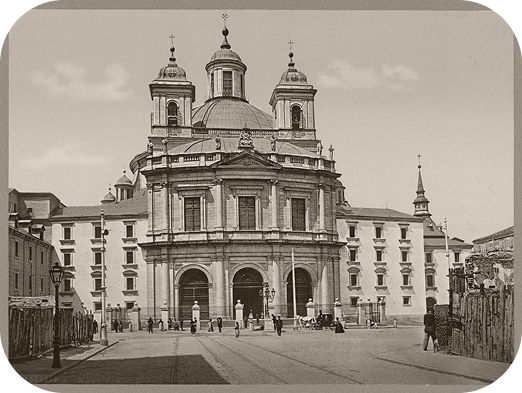
Madrid, Spain
The first half of Noli me Tángere was written in Madrid, Spain from 1884-1885.
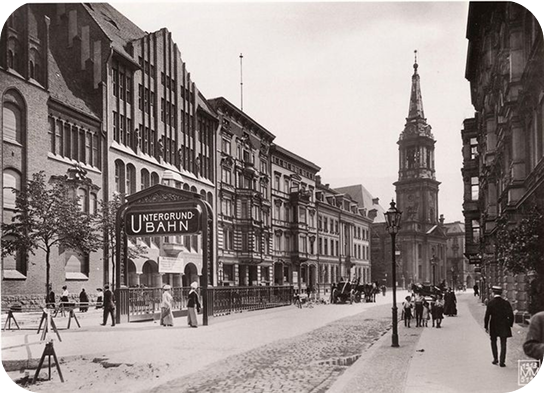
Berlin, Germany
The second half of Noli me Tángere was written in Berlin, Germany from 1887.